






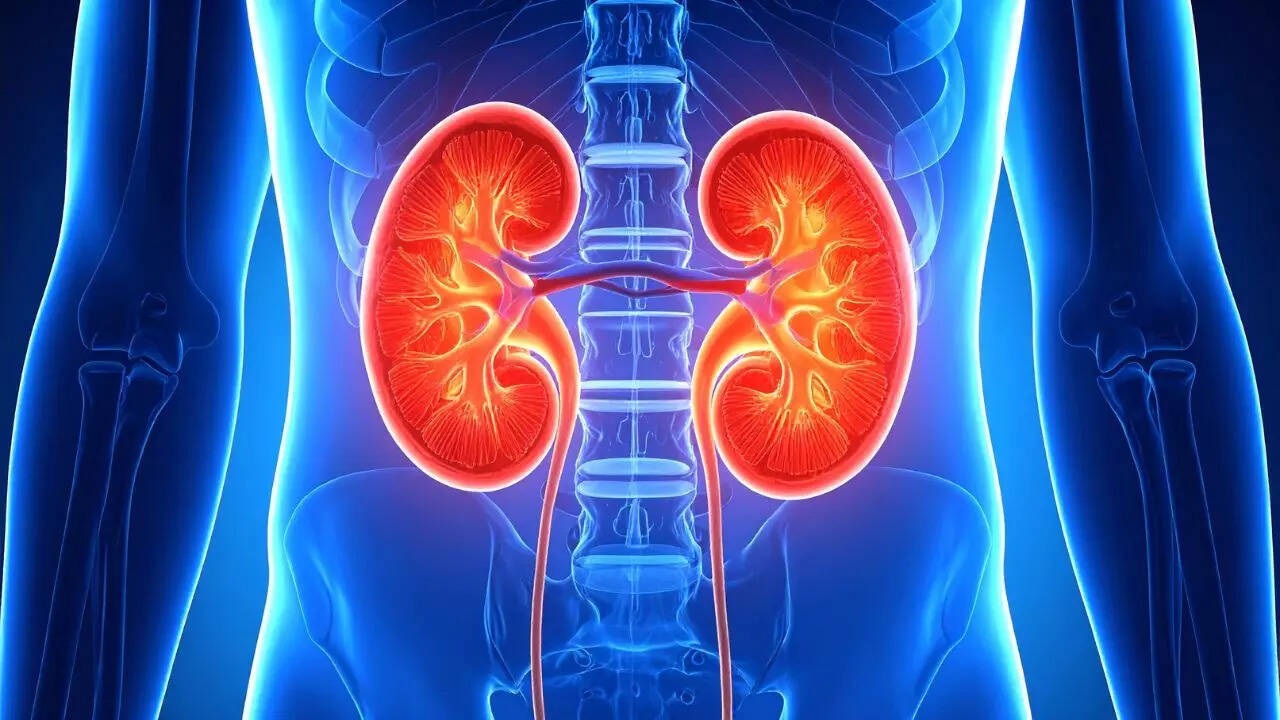

When your kidneys can no longer clean your blood well enough, your body needs help. Hemodialysis is one of the main treatments for kidney failure, and understanding it can make the start of dialysis far less intimidating. This guide explains how hemodialysis works, where you can receive it, how to prepare, what daily life looks like, and which problems to watch for.
What Is Hemodialysis?
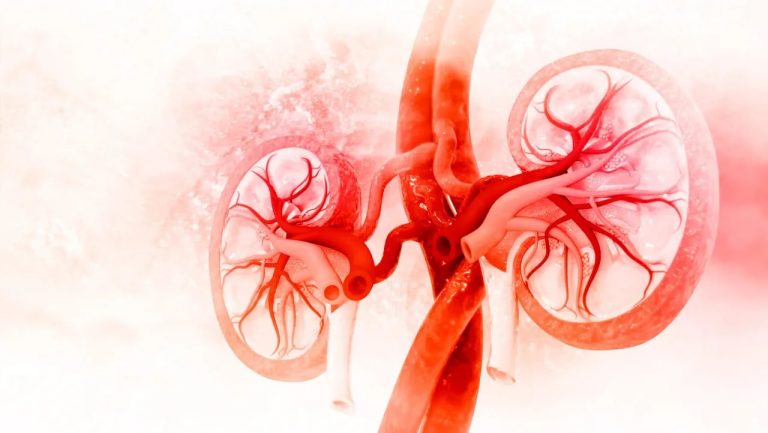
Hemodialysis is a treatment that filters wastes and water from your blood, much as healthy kidneys do. It also helps control blood pressure and balance important minerals in your blood, including potassium, sodium, and calcium.
It is important to be realistic about what this treatment can do. Hemodialysis can help you feel better and live longer, but it is not a cure for kidney failure. It replaces part, but not all, of your kidney function. That is why diet, fluid limits, and medicines remain an important part of your care plan.
How Does Hemodialysis Work?
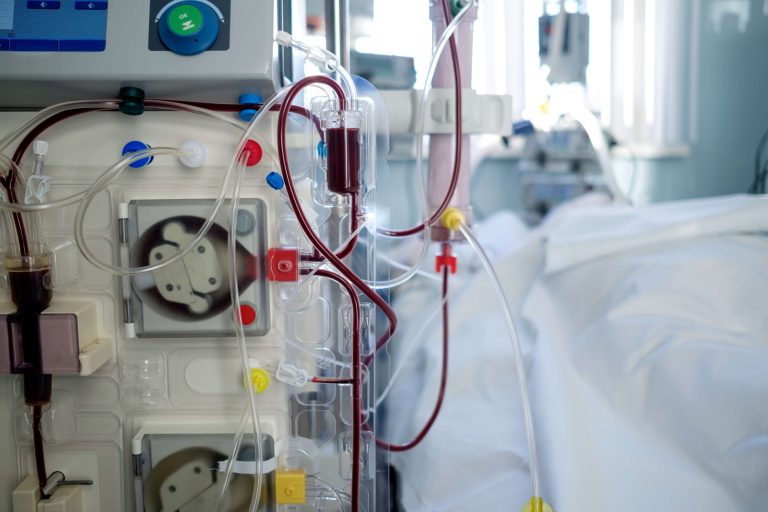
During hemodialysis, your blood travels outside your body through a filter called a dialyzer, which is sometimes nicknamed an “artificial kidney.”
At the start of each session, a dialysis nurse or technician places two needles in your arm. Each needle connects to a soft tube attached to the dialysis machine. After training, you may choose to place the needles yourself, and numbing cream or spray can help if needle placement bothers you.
The machine pumps your blood through the dialyzer and returns it to your body. Along the way, it checks your blood pressure and controls how quickly blood flows through the filter and how fast fluid is removed.
Inside the dialyzer, your blood flows through many very thin, hollow fibers. Dialysis solution flows in the opposite direction on the outside of those fibers. Waste products, extra salt, and extra water move from your blood into the solution, while the filtered blood stays in the fibers and returns to you.
Your nephrologist, a doctor who specializes in kidney problems, prescribes the dialysis solution. If blood tests show too much or too little of a mineral such as potassium or calcium, or if you develop low blood pressure or muscle cramps during treatment, the doctor can adjust the solution’s chemical balance.
Where Can You Have Hemodialysis?
You can receive hemodialysis at a dialysis center or at home. Each option has its own advantages and trade-offs, so it is worth discussing both with your care team.
In-Center Hemodialysis
Most people receive treatment at a dialysis center. There, a team that may include your doctor, nurses, technicians, a dietitian, and a social worker helps you, and staff set up the machine and connect you to it.
Treatments follow a set schedule, usually three times a week (Monday, Wednesday, and Friday, or Tuesday, Thursday, and Saturday), and each session lasts about 4 hours. Some centers also offer nighttime treatments three nights a week while you sleep. Because these sessions are longer, your days stay free, you may have fewer diet changes, and your liquid allowance may be closer to normal.
Your doctor, nurse, or social worker can help you find a center, and under Medicare rules you have the right to choose where you are treated. The Dialysis Facility Compare tool rates centers on quality. Consider visiting a few, and ask about practical details such as visitor policies and laptop or cellphone use. Distance matters too. If the nearest center is far from home, home dialysis may be worth considering.
Home Hemodialysis
Home hemodialysis allows longer or more frequent treatments, usually three to seven times per week, with sessions lasting between 2 and 10 hours. This comes closer to the around-the-clock work of healthy kidneys. The machines are small enough to sit on an end table, and you still see your doctor about once a month.
Schedules are flexible. You can choose:
- Standard home hemodialysis: three times a week or every other day, for 3 to 5 hours.
- Short daily hemodialysis: 5 to 7 days a week, for 2 to 4 hours at a time.
- Nightly home hemodialysis: three to six times a week while you sleep.
More dialysis filters your blood more thoroughly. Compared with a standard schedule, daily or nightly treatment lets you eat and drink more normally and take fewer blood pressure medicines. It also lowers the chance of common problems such as painful muscle cramps, high or low blood pressure, and high phosphate levels. People who switch from standard hemodialysis often report more energy, less nausea, and better sleep.
Home treatment does require commitment. Most dialysis centers want a trained partner at home during treatments, so a family member or friend must complete the training with you. You and your partner learn to set up and clean the machine, prevent infection, place needles in the vascular access, respond to alarms, check weight, temperature, blood pressure, and pulse, keep treatment records, and manage supplies. Training can take 4½ to 6 hours a day, 5 days a week, for 3 to 8 weeks, and it may be shorter if you already place your own needles. The center provides the machine and 24-hour support, though your home may need minor changes for electricity and water connections.
How Do You Prepare for Hemodialysis?
Dialysis is a complex treatment that takes time to understand. Many people still feel fairly well when their doctor first raises it, but preparation takes time, so it is better to start early.
Protect the Veins in Your Arms
If you have kidney disease, protect your arm veins before you ever start dialysis. Remind providers to draw blood and place IV lines only in veins below the wrist, such as a vein in the back of the hand. A vein damaged by repeated blood draws or IV lines may not be usable for dialysis later.
Get a Vascular Access
Before starting hemodialysis, you will need minor surgery to create a vascular access, the lifeline that connects you to the dialyzer. The machine withdraws and returns almost a pint of blood every minute, so the access must handle a strong blood flow. Healing can take several months, so work closely with your nephrologist and vascular surgeon to have it ready when you need it.
There are three types of vascular access:
- AV fistula: A surgeon connects an artery to a vein, usually in your arm. The vein grows wider and thicker, making needle placement easier and allowing high blood flow. It is considered the best long-term option because it provides the highest blood flow, is less likely to become infected or clot, and lasts longer. Most people go home after outpatient surgery.
- AV graft: If your veins are not suitable for a fistula, a surgeon uses a man-made tube to connect an artery and vein. It can be used soon after surgery, but infections and blood clots are more likely.
- Catheter: A small, soft tube placed in a vein in the neck, chest, or leg near the groin. It is used as a temporary access, for example when kidney disease progresses quickly and no other access is ready.
What Changes Should You Expect When You Start Hemodialysis?
You will need to fit treatment into your routine. With in-center dialysis, you may need to rest after each session. Adjusting can be hard on you and your family, and you may need to change your work or home life. A mental health counselor or social worker can help you cope. Your health care team may also adjust your medicines.
Care for Your Access
Your access is your lifeline, so protect it. Wash the area with soap and warm water every day and check for signs of infection, such as warmth or redness. When blood flows well, you can feel a vibration over the access. If you cannot feel it, tell your dialysis center.
Adjust What You Eat and Drink
On hemodialysis, you may need to limit sodium, high-phosphorus foods, and the amount of liquid you take in, including liquid in food, because fluid builds up between treatments. You may also need to add protein, since hemodialysis removes it, choose foods with the right amount of potassium, take vitamins made for people with kidney failure, and find healthy ways to add calories if your appetite is poor. A dietitian at your dialysis center can help you build a meal plan that works for you.
How Do You Know If Hemodialysis Is Working?
You will notice it in how you feel. Many people have more energy and a better appetite. Because hemodialysis reduces salt and fluid buildup, you should also have less shortness of breath and swelling.
Try to reach your ideal “dry weight,” which is your weight without extra fluid in your body. If you watch your sodium intake and treatment is working, you should reach it at the end of each session, and your blood pressure should be well controlled. Your dialysis center also tests your blood once a month, whether you dialyze at home or in a center, to check how well treatment is working.
What Are the Possible Problems From Hemodialysis?
The most common problem involves the vascular access, and it is the most common reason people on hemodialysis go to the hospital. Any type of access can become infected or develop poor blood flow from a clot or scar. You may need further procedures to repair or replace it.
Sudden changes in your body’s water and chemical balance during treatment can cause muscle cramps or a sudden drop in blood pressure, which can leave you weak, dizzy, or sick to your stomach. Your doctor can change your dialysis solution to help, and longer, more frequent home treatments are less likely to cause these problems.
You could also lose blood if a needle comes out of your access or a tube comes out of the dialyzer. Machines have a blood leak detector that sounds an alarm. In a center, staff respond. At home, you and your partner are trained to handle it.
It can take a few months to adjust. Report problems to your care team, who can often treat side effects quickly. Following the eating plan from your dietitian, limiting liquids, and taking medicines as directed prevents many of them.
What Happens If You Decide to Stop Dialysis?
If you have been on dialysis and decide to stop, you will still receive supportive care. The dialysis social worker can help you develop an end-of-life care plan before you stop.
Hemodialysis is demanding, but it is also a well-established treatment that helps many people feel better and live longer with kidney failure. Prepare early, protect your veins, care for your vascular access, follow your diet and fluid plan, and ask your team about home options if a center schedule does not suit you. This article is for general education only, so talk with your nephrologist and dialysis care team about the plan that fits your needs.