








Living with kidney failure can make daily activities more challenging. People receiving hemodialysis often manage tiredness, reduced strength, and other health concerns. At the same time, heart disease remains an important concern for this group. Therefore, physical activity for hemodialysis patients is an important topic for patients, families, and healthcare professionals.
Regular movement may support heart health, improve physical strength, and help people manage everyday tasks. Moreover, research suggests that even occasional physical activity is associated with a lower risk of death among adults receiving hemodialysis. However, the benefits depend on each person’s health, and more research is needed to confirm cause and effect. By understanding the link between movement and heart health, patients can discuss suitable activities with their healthcare team. Small, safe changes may help them maintain a more active lifestyle.
Why Is Heart Health Important for Hemodialysis Patients?
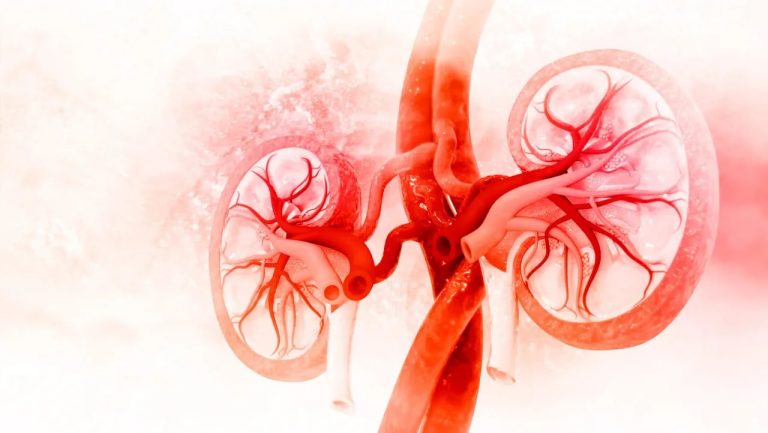
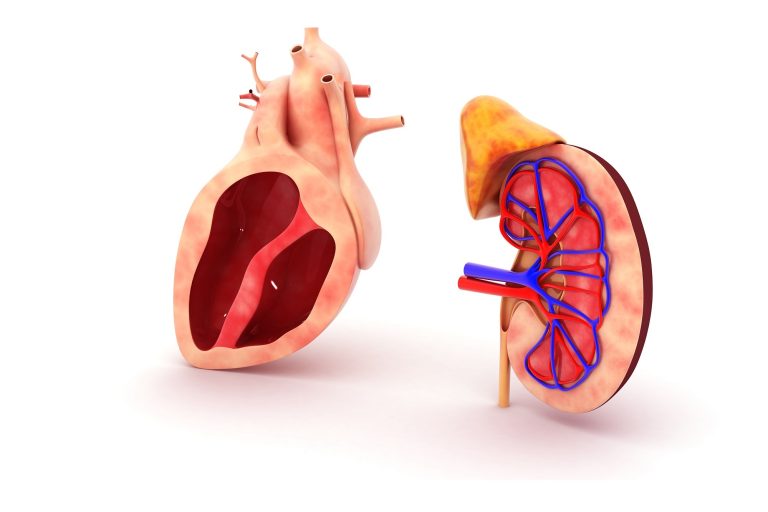
The kidneys and heart work together to keep the body healthy. The kidneys remove extra fluid and waste from the blood, while the heart pumps blood throughout the body. However, when kidney function declines, these systems can face additional pressure. People receiving hemodialysis may experience high blood pressure, fluid imbalance, diabetes, and other conditions that increase cardiovascular risk. In addition, long treatment sessions and tiredness can make regular movement more difficult.
Consequently, heart health needs careful attention throughout dialysis treatment. Patients should follow their prescribed dialysis schedule, take medicines as directed, and attend regular medical appointments. Physical activity can form another part of a broader care plan. It may help maintain muscle strength and support cardiovascular fitness. Nevertheless, exercise does not replace dialysis, prescribed medicines, or other treatments recommended by a doctor.

Physical Activity for Hemodialysis Patients: What Research Shows
A study published in Kidney International Reports examined the relationship between physical activity and survival among adults receiving hemodialysis. Researchers analysed activity information from 6,147 participants across Europe and Argentina. The study grouped participants according to their reported activity levels. These included people who were inactive, occasionally active, and frequently active. Activities included everyday movement, household tasks, work, travel, and leisure activities. The findings showed that occasional activity was associated with an 18% lower risk of cardiovascular death compared with inactivity. Frequent activity was associated with a 23% lower risk of cardiovascular death. The researchers also found associations between physical activity and lower overall mortality.
These results highlight the possible value of regular movement for people receiving dialysis. However, the study was observational. Therefore, it cannot prove that physical activity alone caused the lower risk. Other health and lifestyle factors may also have influenced the results. Even so, the findings support further research into safe ways to encourage movement among dialysis patients. They also provide a reason for patients to discuss activity options with their doctors.
How Can Physical Activity Support Heart Health?
Regular movement can offer several benefits when it matches a person’s medical condition and physical ability. For example, gentle activities may help maintain muscle strength and improve the ability to complete everyday tasks. First, activity can support cardiovascular fitness. Walking or other suitable movement encourages the heart and muscles to work together. Over time, a suitable routine may help improve endurance.
Second, movement can support muscle function. Some people receiving hemodialysis experience weakness because of kidney disease, reduced activity, or other health problems. Appropriate exercise may help them preserve strength and mobility. Furthermore, physical activity may support mood and daily well-being. Gentle movement can provide a sense of routine and help some people feel more confident about everyday tasks. However, every patient has different needs. Some people may have heart conditions, balance problems, low blood pressure, or other concerns that affect exercise choices. Therefore, patients should seek medical advice before starting a new routine.
Physical Activity for Hemodialysis Patients: Safe Ways to Start
Starting with manageable activities is often more practical than attempting strenuous exercise. Patients who have been inactive for a long time can ask their doctor or renal care team to recommend an appropriate starting point. Walking may be suitable for some patients. They can begin with short periods and gradually increase the duration as their health and energy allow. In addition, gentle stretching or exercises recommended by a physiotherapist may help maintain flexibility and movement. Household tasks can also provide light activity. For example, simple chores or moving around the home may help patients avoid sitting for long periods. However, they should avoid activities that cause excessive tiredness or place strain on their dialysis access.
Some dialysis centres offer supervised exercise programmes. Depending on the patient’s condition and the centre’s facilities, these programmes may include gentle cycling or other structured activities. Exercise during dialysis is not suitable for everyone, so the care team must decide whether it is appropriate. Patients should also pay attention to how they feel. Stop exercising and seek medical advice if you experience chest pain, unusual shortness of breath, dizziness, or severe weakness. Follow any specific instructions about activity on dialysis days and non-dialysis days.
How Healthcare Teams Can Encourage Daily Movement
Healthcare professionals play an important role in helping patients stay active. Nephrologists, dialysis nurses, physiotherapists, and other care providers can assess individual needs and recommend safe options. First, the team can review the patient’s medical history, current symptoms, mobility, and cardiovascular health. This assessment helps determine which activities may be suitable. Next, healthcare professionals can help patients set realistic goals. Rather than focusing on intense workouts, they may recommend short periods of gentle movement that fit the patient’s abilities and treatment schedule.
Regular reviews are also helpful. As health and strength change, the team can adjust the activity plan. Patients should report new symptoms and discuss any difficulties that prevent them from following the plan. Family members can offer support as well. Walking together, helping with daily routines, and encouraging gradual progress may make movement easier to maintain. Nevertheless, support should respect the patient’s energy levels and medical advice.
Physical Activity for Hemodialysis Patients: Building Healthy Habits
Consistency matters more than pushing the body too hard. A realistic activity routine can help patients include movement in everyday life without adding unnecessary pressure. For example, some patients may benefit from brief walks, while others may need seated exercises or supervised movement. The right approach depends on their health, mobility, and treatment plan. Patients should also follow their prescribed fluid and dietary guidance. People receiving hemodialysis often have specific fluid limits, so they should not automatically increase their fluid intake because they are exercising. Their healthcare team can explain how to manage hydration safely.
In addition, adequate rest remains important. Dialysis can leave some people feeling tired, and activity plans should allow time for recovery. Patients should never feel they must exercise through pain, dizziness, or unusual fatigue. Keeping a simple activity record may help patients and healthcare professionals review progress. It can include the type of activity, how long it lasted, and how the patient felt afterward. This information may help the team adjust the plan when needed.
Supporting Better Health through Everyday Choices
Physical activity can be a useful part of comprehensive care for people receiving hemodialysis. Research has found an association between greater activity and lower cardiovascular mortality, although further studies are needed to establish the effects of specific exercise programmes. For physical activity for hemodialysis patients, the main priority is to choose safe, manageable movement that fits individual needs. Walking, gentle exercises, and suitable daily tasks may help some patients maintain strength and improve daily function.
At the same time, patients should continue dialysis as prescribed, take medicines correctly, and attend follow-up appointments. By working with their healthcare team, they can make informed decisions about activity and support their overall well-being.