







Dialysis can help people with kidney failure live longer, healthier lives. Even so, starting treatment can feel overwhelming. There are decisions to make about where to dialyze, how to prepare for emergencies, what to eat, and how to keep up with work, travel, and family life. The good news is that you have more rights and options than you may realize. These ten tips for dialysis patients, based on guidance from the National Kidney Foundation, can help you feel more informed, prepared, and in control.
1. Know That You Have Treatment Options
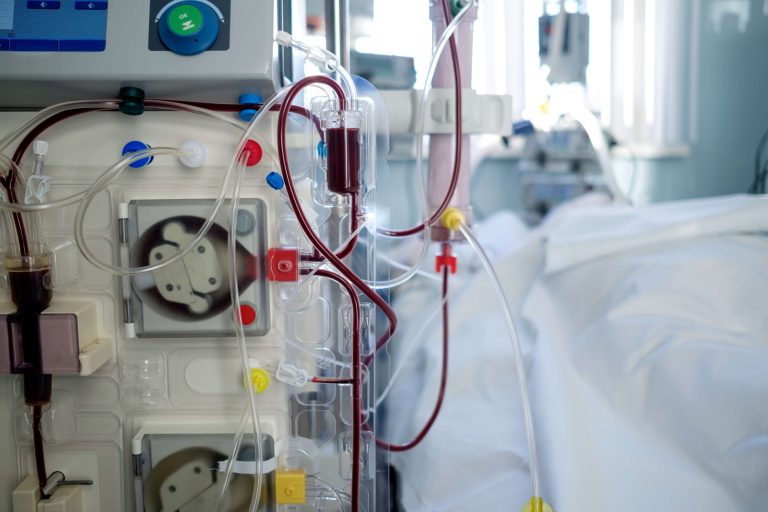
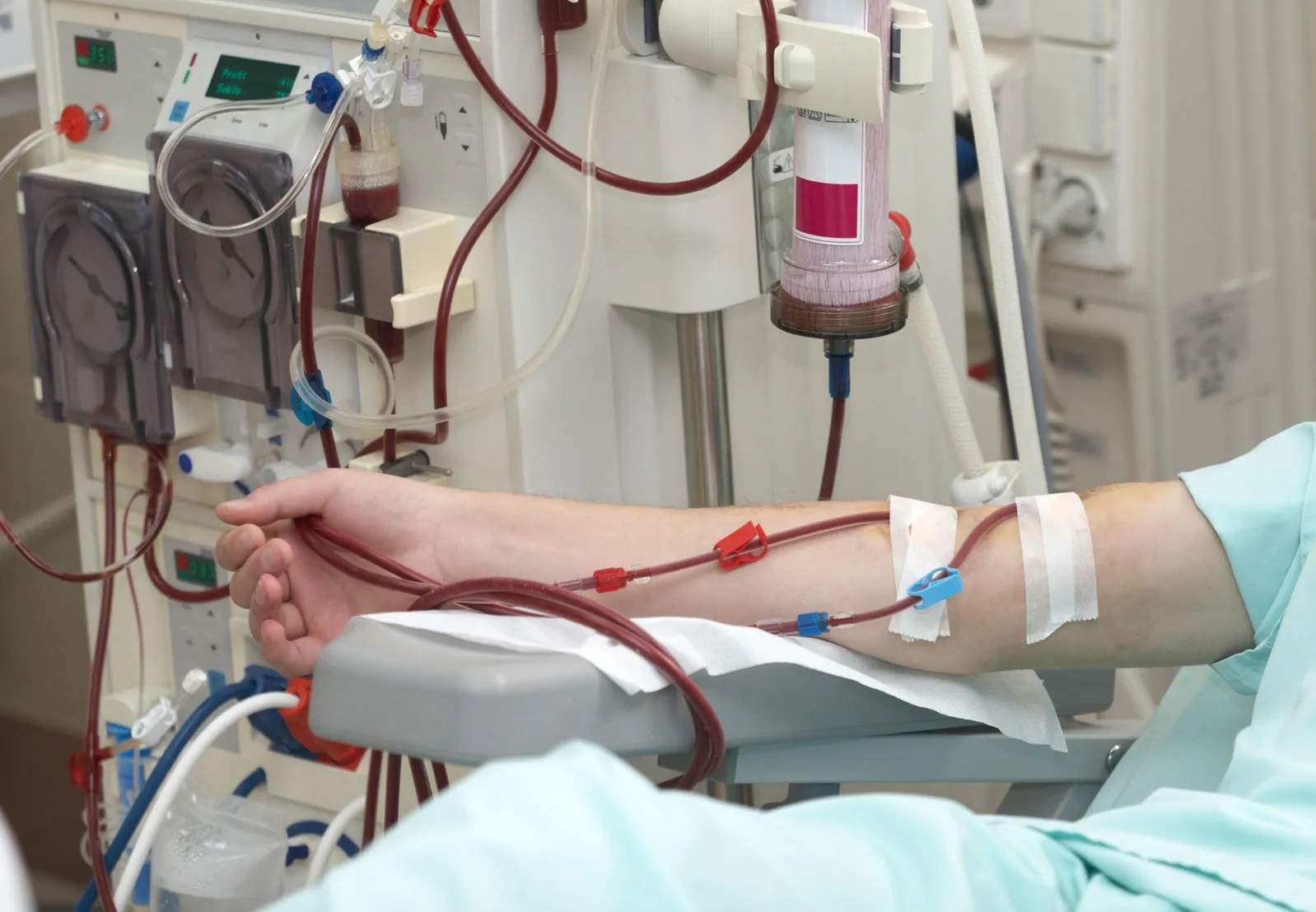
One of the most important tips for dialysis patients is to remember that you have choices in how, where, and when you dialyze. There are two main types of dialysis: hemodialysis and peritoneal dialysis. Treatment can take place in a hospital, in a dialysis unit, or at home.
No single option is right for everyone. Your health, schedule, home situation, and comfort level all matter. Work with your healthcare team to choose a treatment that makes you feel comfortable, and do not hesitate to ask whether another type of treatment might suit you better. If your first choice stops working for your life, it is reasonable to revisit the conversation.
2. Compare In-Center Dialysis Facilities Online
If you plan to dialyze at a dialysis center, you do not have to simply accept the closest one. Information on more than 5,600 U.S. dialysis centers is available online through the Dialysis Facility Compare website, which lets you compare facilities by location, quality, available hours, and other features.
This can be especially useful if your work schedule is demanding or if you rely on someone else for transportation. Looking at several facilities before you decide can help you find a center that fits your routine and meets your expectations for care.

3. Plan Ahead for an Emergency
Snowstorms, fires, power outages, and natural disasters can interrupt a dialysis schedule, so it pays to plan before anything happens. Ask your dialysis facility about its emergency plan. Keep the names, locations, and phone numbers of other dialysis units and hospitals in your area where you can find them quickly.
If you dialyze at home, make sure you always have at least two weeks’ worth of unexpired supplies on hand. And if you ever have to miss a treatment, start your emergency meal plan right away. The National Kidney Foundation offers additional emergency resources, including a grocery list and meal plan for a three-day emergency diet. Preparing now means you can act calmly later.
4. Use the Easy Way to Transfer Your Medical Records
Moving between clinics or hospitals can be stressful, and your dialysis information needs to travel with you. Your healthcare team can securely transfer your treatment records using a system called CROWNWeb.
This helps in many situations. If you are admitted to a hospital or have to relocate during an emergency evacuation, your doctors and care team can access up-to-date information about your dialysis. That means you can continue to receive appropriate care no matter where you are. If you are unsure how this works for you, ask your social worker or clinic staff.
5. Remember That You Can Travel
A dialysis schedule does not mean staying home. Dialysis centers are located in many places across the United States and internationally, so travel is possible with preparation.
The key is to plan ahead. Before you leave, make an appointment at a dialysis center at your destination. The staff at your own center may be able to help you arrange this, so tell them about your plans early. Good planning turns a trip from a source of worry into something to look forward to.
6. Be Your Own Best Advocate
Nobody knows how you feel better than you do. One of the most useful tips for dialysis patients is to take an active role in your care. Learn which key questions to ask your doctor and other healthcare professionals, and take notes so you can refer to them later.
Partner with your healthcare team and decide on a treatment plan together. Speak up about how you are feeling, including symptoms, side effects, and worries. Open communication helps your team adjust your care when something is not working, and it keeps you from feeling like a passenger in your own treatment.
7. Understand Your Rights and Responsibilities
You have a great deal of control over your treatments. The National Kidney Foundation’s Dialysis Patients’ Bill of Rights and Responsibilities explains what you can expect when it comes to quality care and privacy, as well as the responsibilities you share with your care team.
Knowing your rights helps you ask for what you need, while understanding your responsibilities, such as taking part in your care plan, helps you get the most from treatment. Reading this document before a hard conversation can help you feel more confident.
8. Find Out About Insurance Coverage
The cost of treatment is a common worry, but help is available. If you have end stage kidney failure, you are likely eligible for Medicare insurance coverage.
Insurance paperwork can be confusing, so lean on your support team. Speak with your healthcare team and social worker for help completing forms and understanding your options. Asking early can prevent gaps in coverage and give you one less thing to stress about.
9. Follow a Special Diet
When your kidneys are not working properly, you will need to change what you eat and limit how much you drink. Your diet may vary according to the type of dialysis you receive, but dialysis patients typically need to limit sodium, phosphorus, and potassium.
These rules can feel restrictive at first, so make your kidney dietitian a regular part of your care. A dietitian can help you understand exactly what you can and cannot eat and turn general rules into a meal plan you can follow. Do not rely on guesswork, because your needs depend on your treatment and your lab results.
10. Know That Dialysis Patients Can Work
Many people worry that dialysis means the end of their career or education. In fact, many dialysis patients can go back to work or school after they get used to treatment. Once you establish a routine, many people find they have more energy and can work around their dialysis schedule.
Some patients even find ways to work remotely using a laptop or cell phone, depending on their profession. If you want to return to work or school, talk with your care team and your dialysis facility about scheduling options. A schedule that fits your day can make a real difference.
Putting These Tips Into Practice
No one expects you to master all ten tips at once. A practical way to begin is to pick the two or three that matter most to you right now. Perhaps you want to compare local dialysis centers, write down questions for your next appointment, or ask your dietitian for a meal plan. Small steps add up, and each one gives you a little more control.
It also helps to remember that you are not doing this alone. Your nephrologist, nurses, dietitian, and social worker are there to support you, and so are family, friends, and other patients. Lean on them when you need to.
Living with kidney failure takes adjustment, but you have more power over your care than you may think. These tips for dialysis patients come down to a few simple ideas: know your options, plan ahead, speak up, understand your rights, protect your health through diet, and keep living the life you want. Always check specific decisions with your own healthcare team, since your treatment and needs are unique. This article is for general information and is not a substitute for professional medical advice.