








Kidney failure can change many parts of daily life. It may affect your energy, eating habits, work, and ability to enjoy regular activities. However, modern treatments give many people options for managing this condition. One option is a kidney transplant process, which involves replacing the filtering function of failing kidneys with a healthy kidney from a donor.
A kidney transplant can help eligible patients enjoy a better quality of life and reduce their need for dialysis. However, it requires careful planning, medical testing, surgery, and long-term follow-up care. Therefore, patients and their families should understand what to expect before making a decision. This guide explains the main steps involved, from the first medical consultation to recovery after surgery. It also covers donor options, possible complications, and the daily habits that help protect a transplanted kidney.
What Is a Kidney Transplant?
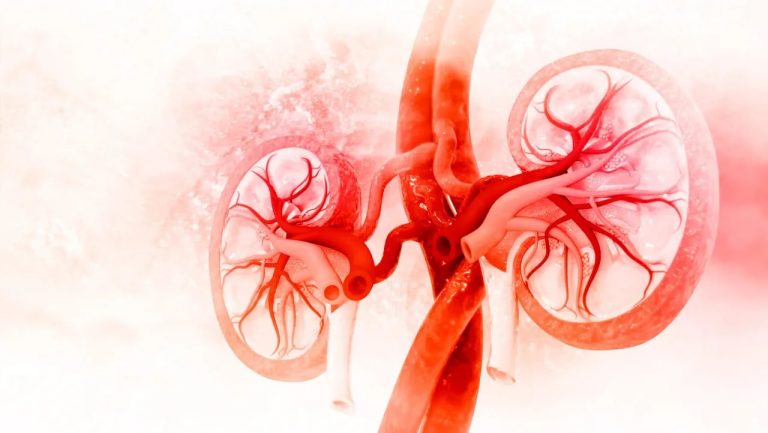
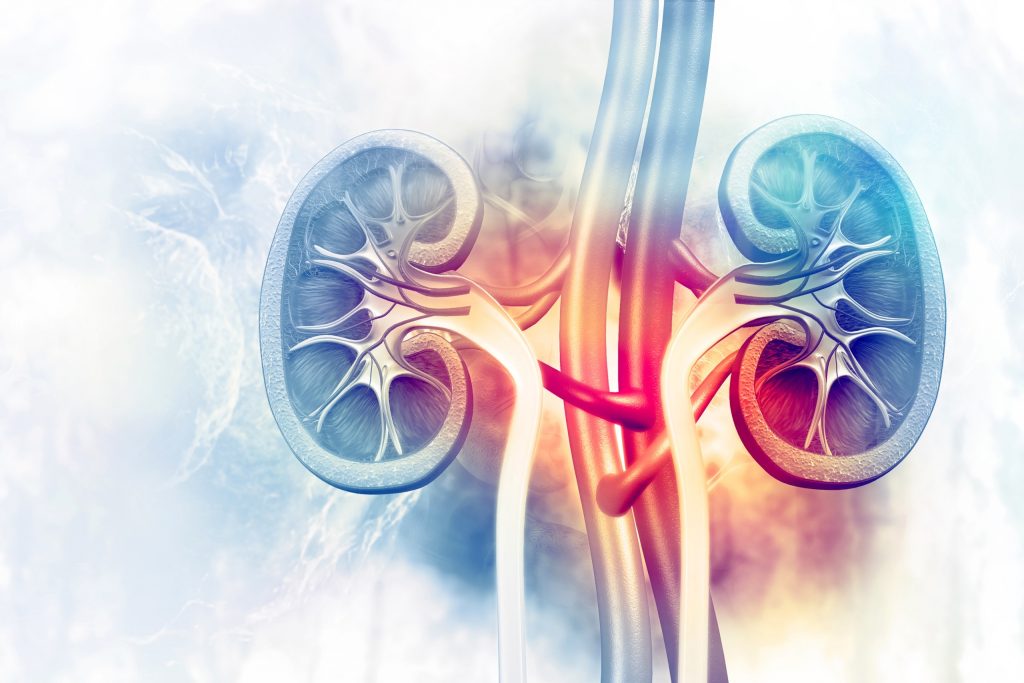
A kidney transplant is an operation in which a surgeon places a healthy kidney from a donor into a person whose kidneys no longer work well enough. The donated kidney filters waste, removes excess fluid, and helps maintain the body’s balance of minerals. Healthy kidneys perform several important functions. They remove waste from the blood, help control blood pressure, support red blood cell production, and maintain the balance of fluids and electrolytes. When kidney function becomes severely reduced, waste and fluid can build up in the body.
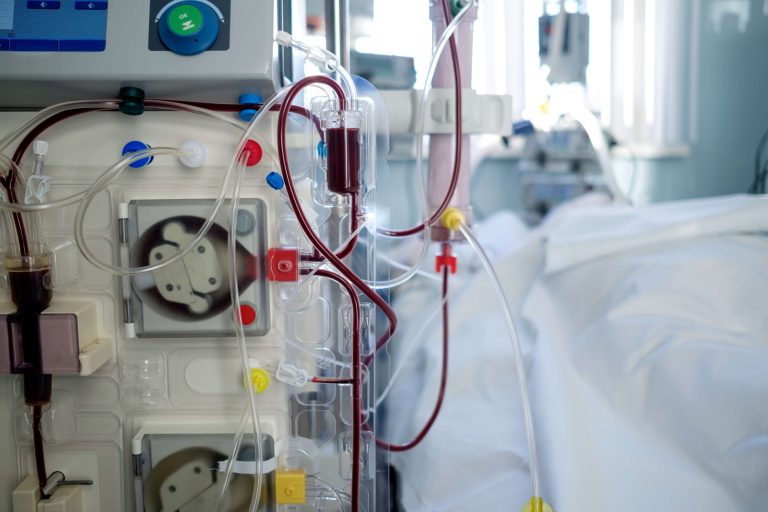
Doctors may recommend dialysis or a transplant to treat kidney failure. Dialysis removes waste and extra fluid from the blood, while a transplanted kidney can perform many of the functions of a working kidney. However, transplantation is not a cure for every aspect of kidney disease. Patients still need regular medical care and medicines to prevent the body from rejecting the donated organ. In addition, not everyone is suitable for transplant surgery. The medical team must assess each person’s overall health, existing conditions, and ability to follow the treatment plan.
Understanding the Kidney Transplant Process
The kidney transplant process usually begins with a discussion between the patient and their kidney specialist. During this visit, the doctor reviews the patient’s medical history, current kidney function, and treatment goals. Next, the doctor may refer the patient to a transplant center for a detailed evaluation. This assessment helps determine whether surgery is a suitable option. It also gives patients an opportunity to ask questions about possible benefits, risks, costs, and recovery. The process generally includes several stages. First, the medical team evaluates the patient’s health. Then, specialists assess potential donors and look for a suitable match. After approval, the patient may receive a kidney from a living donor or wait for one from a deceased donor.
The waiting period varies from person to person. Some patients have a suitable living donor, while others may remain on a transplant waiting list for months or years. Throughout this period, patients should attend medical appointments and follow their doctor’s advice. They may also need dialysis while waiting for surgery. Staying in contact with the transplant center helps the team respond when a suitable kidney becomes available.
Who Can Qualify for a Kidney Transplant?
Kidney transplant eligibility depends on several medical and personal factors. Doctors usually consider transplantation for people with advanced chronic kidney disease or kidney failure. In some cases, a patient can receive a transplant before starting dialysis. However, eligibility is not based on kidney function alone. The transplant team also checks whether the patient can safely undergo surgery and manage the care required afterward.
During the assessment, doctors may examine heart health, lung function, blood pressure, and other medical conditions. They may also check for active infections, certain cancers, and other problems that could increase the risks of surgery or affect transplant success. Furthermore, the team considers whether the patient understands the importance of taking anti-rejection medicines every day. These medicines help prevent the immune system from attacking the donated kidney.
Emotional well-being and support at home may also be part of the assessment. Recovery involves regular appointments, medication schedules, and lifestyle adjustments. Therefore, a reliable support system can make this period easier to manage. Age alone does not always determine eligibility. Instead, the transplant center considers the person’s overall health and whether the likely benefits outweigh the risks. Patients should speak openly with their kidney specialist about their medical history and treatment goals. Even when transplantation is not suitable, other treatment options may help manage kidney failure.
How Do Doctors Find a Suitable Kidney Donor?
A donated kidney may come from a living person or someone who has died and donated organs. Both options can provide a kidney for transplantation, although the steps involved differ. A living donor may be a relative, spouse, friend, or another eligible person. The donor does not always need to be related to the recipient. However, the donor must complete a separate medical evaluation to confirm that donation is safe. Doctors check blood type and tissue compatibility. They may also perform a crossmatch test, which helps assess whether the recipient’s immune system is likely to react against the donor’s cells.
A compatible living donor can sometimes allow the transplant to be scheduled in advance. This makes planning easier for the patient, donor, and surgical team. When a living donor is unavailable, the patient may join a deceased-donor waiting list after completing the required evaluation. The waiting time depends on several factors, including donor availability, compatibility, and the transplant system’s allocation rules.
Meanwhile, the transplant center may request regular blood samples and updated medical information. These steps help the team assess potential matches and determine whether the patient remains ready for surgery. Living donation also requires careful attention to donor safety. Potential donors should receive independent medical advice and understand the possible short-term and long-term risks before making a decision.
What Happens During Kidney Transplant Surgery?
Kidney transplant surgery takes place in a hospital under general anesthesia. The surgical team monitors the patient’s condition throughout the operation. During surgery, the surgeon usually places the donated kidney in the lower abdomen. The surgeon connects its blood vessels to suitable blood vessels in the recipient’s body. The tube that carries urine from the new kidney, called the ureter, is then connected to the bladder. In most cases, doctors leave the patient’s original kidneys in place. They may remove them only when a medical problem, such as repeated infection or another complication, makes removal necessary.
The operation often takes around three to four hours, although the exact time can vary. Afterward, the patient moves to a recovery area, where medical staff monitor vital signs, urine output, and kidney function. Some transplanted kidneys begin working soon after surgery. Others need more time to function properly. When the new kidney does not work immediately, the patient may need temporary dialysis while the medical team monitors progress. The length of the hospital stay depends on recovery and any complications. Before discharge, the care team explains medication schedules, wound care, warning signs, and follow-up appointments.
Kidney Transplant Process: Recovery and Aftercare
Recovery is an important part of the kidney transplant process. After surgery, the patient needs time to heal while the medical team checks the new kidney’s performance. During the early recovery period, doctors regularly test blood samples to measure kidney function and check for possible complications. They may also monitor blood pressure, fluid balance, urine output, and medication levels. Patients usually need several follow-up visits during the first weeks and months. Over time, the frequency of appointments may change according to their condition and test results.
Medication plays a major role in recovery. Anti-rejection medicines, also known as immunosuppressants, reduce the activity of the immune system so it is less likely to attack the donated organ. Patients generally need to take these medicines for as long as the transplanted kidney functions. It is important not to stop or change these medicines without medical advice. Missing doses can increase the risk of rejection.
Patients should also follow instructions about physical activity. Gentle movement may support recovery, but strenuous exercise and heavy lifting should wait until the medical team approves them. In addition, patients should keep the surgical wound clean and follow all wound-care instructions. The transplant team can explain when it is safe to return to work, drive, travel, and resume other daily activities.
Possible Risks and Complications After a Transplant
Although kidney transplantation can offer important benefits, it also carries risks. Understanding these concerns helps patients recognise when they need medical attention. Infection is one possible complication. Anti-rejection medicines weaken parts of the immune system, making it harder for the body to fight certain infections. Therefore, patients should follow hygiene advice and report signs of illness to their transplant team.
Another concern is rejection. This occurs when the immune system attacks the donated kidney. Rejection may not cause obvious symptoms at first, so regular blood tests and medical reviews remain essential. Other possible problems include bleeding, blood clots, urinary complications, and side effects from medication. Some patients may also develop high blood pressure, diabetes, or other conditions that require additional care.
Warning signs can include fever, reduced urine output, unusual swelling, pain near the transplant area, or a general feeling of being unwell. However, symptoms vary, and rejection can occur without clear early warning signs. Contact the transplant team promptly if you notice concerning symptoms. Seek urgent medical advice for severe symptoms or signs of a serious infection. Early assessment can help doctors identify problems and decide on appropriate treatment.
Life After a Kidney Transplant
Life after transplantation often involves adjustments, but many recipients return to work, hobbies, social activities, and regular routines as their health improves. A balanced lifestyle can support long-term health. Patients should follow the dietary advice provided by their kidney care team because nutritional needs may change after surgery. They should also drink the amount of fluid recommended by their doctor.
Regular physical activity can help rebuild strength. However, patients should increase activity gradually and follow any restrictions set by their medical team. Food safety is also important because anti-rejection medicines can increase infection risk. Patients should follow guidance on food preparation, safe storage, and avoiding foods that their transplant team identifies as unsuitable. Furthermore, patients should keep a current list of medicines and attend every scheduled appointment. They should tell healthcare professionals about the transplant before starting new medicines, supplements, or over-the-counter products. Some products can interact with anti-rejection treatment or affect kidney function.
Emotional support matters, too. Patients may feel relieved, anxious, or overwhelmed at different stages of recovery. Family members, counsellors, patient support groups, and healthcare professionals can help them manage these feelings. A transplanted kidney may work for many years, but its lifespan varies. Consistent care and monitoring help doctors identify changes early and protect the patient’s health.
Make Informed Decisions About Kidney Health
A kidney transplant can be an important treatment option for people with kidney failure. However, the decision requires careful discussion, a detailed medical evaluation, and a clear understanding of long-term responsibilities. By learning about donor options, surgical steps, recovery, and possible complications, patients can prepare for discussions with their healthcare team. They should also understand that dialysis remains an important treatment option while waiting for a transplant or when surgery is not suitable.
Every patient’s situation is different. Therefore, work closely with a kidney specialist and transplant center to understand the options available for your condition. With appropriate medical guidance, regular monitoring, and consistent aftercare, many transplant recipients can protect their health and enjoy an improved quality of life.