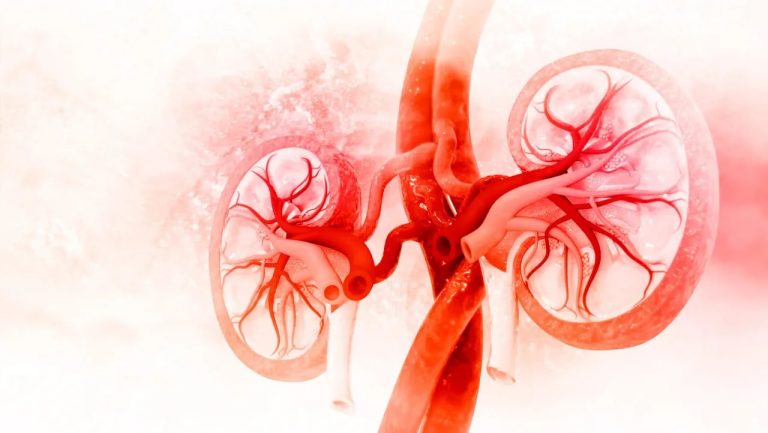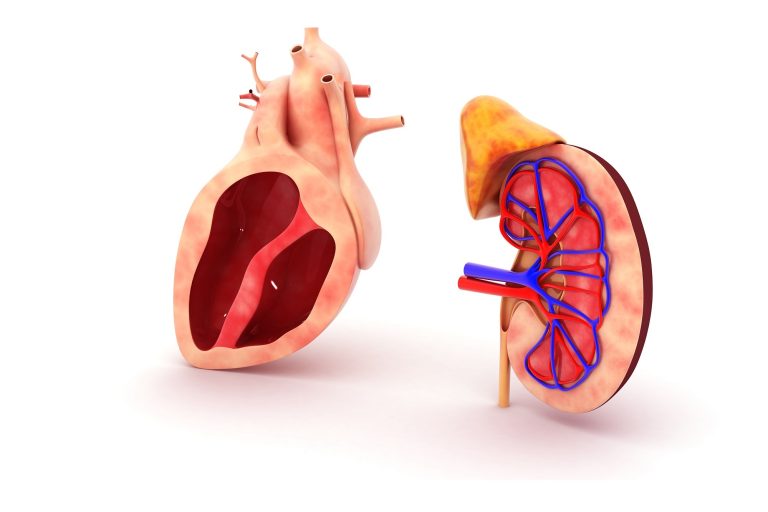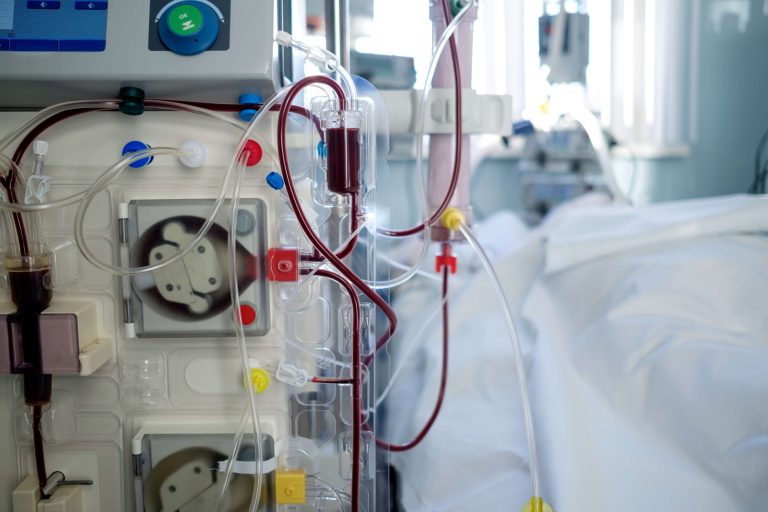









Healthy kidneys remove waste, extra water, and harmful substances from the blood. They also help control blood pressure and maintain a healthy balance of minerals. However, when the kidneys cannot perform these functions properly, dialysis helps take over some of their work. Inadequate Dialysis can prevent the body from removing enough waste and fluid, which may increase the risk of serious health complications.
For many people living with kidney failure, dialysis is an essential part of everyday life. Although treatment requires time and regular appointments, completing each session as prescribed helps maintain better health. Missing appointments or ending treatment early may seem harmless at first. However, these choices can allow waste products and excess fluid to build up between sessions. Therefore, patients should understand why dialysis matters and how consistent treatment supports their well-being. With guidance from a nephrologist and a dedicated dialysis team, patients can manage their treatment more effectively and reduce avoidable risks.
What Happens When Dialysis Is Not Enough?
Dialysis removes waste products, excess salt, and extra fluid from the blood. It also helps maintain safer levels of important minerals, including potassium and phosphorus. Nevertheless, the treatment cannot perform every function of healthy kidneys. When a patient misses a session or receives less treatment than prescribed, waste and fluid may accumulate in the body. As a result, the patient may experience fatigue, swelling, nausea, or breathing difficulties. Some complications develop gradually, while others can become serious in a short time.
Furthermore, inadequate treatment may affect the body’s chemical balance. High potassium levels, for example, can interfere with the heart’s normal electrical activity. Excess phosphorus can also contribute to bone and mineral problems over time. The amount of dialysis a person needs depends on their health, kidney function, treatment method, and medical assessment. Therefore, patients should never reduce their treatment time or change their schedule without discussing it with their healthcare team.
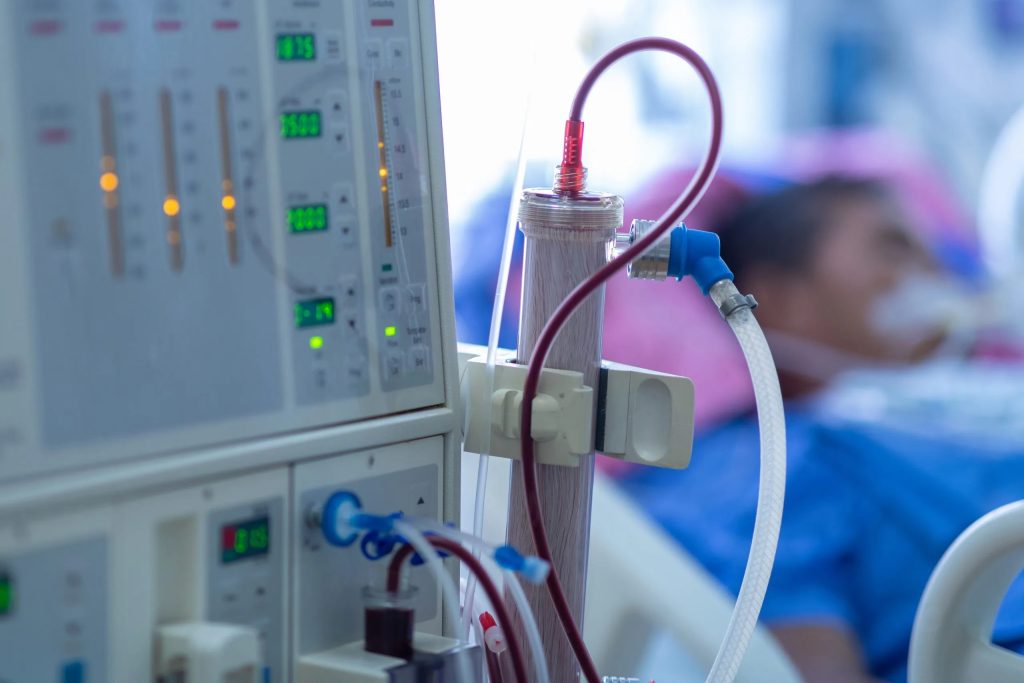
Major Health Risks of Inadequate Dialysis
Fluid Buildup and Swelling
One of the main concerns with insufficient dialysis is excess fluid in the body. When the kidneys cannot remove enough water, fluid may collect in the legs, ankles, hands, or face. Consequently, patients may notice swelling, sudden weight gain, or increased discomfort.
In more serious cases, fluid can accumulate in the lungs and make breathing difficult. This condition may require urgent medical care or hospital treatment. Moreover, excess fluid can increase the workload on the heart and contribute to high blood pressure. Following the prescribed fluid limits and attending scheduled dialysis sessions can help control fluid buildup. Patients should also report sudden weight changes or worsening swelling to their care team.
Heart Problems and Dangerous Potassium Levels
Potassium supports normal muscle and nerve function, including the electrical signals that control the heartbeat. However, damaged kidneys may struggle to remove excess potassium from the blood.
When dialysis does not remove enough potassium, blood levels can rise to dangerous levels. This may cause abnormal heart rhythms and, in severe cases, life-threatening cardiac complications. Importantly, high potassium does not always produce noticeable symptoms. For this reason, patients should follow their prescribed dialysis schedule, medication instructions, and kidney-friendly diet. Regular blood tests also help the healthcare team monitor potassium levels and adjust treatment when necessary.
High Blood Pressure
Excess fluid and changes in mineral balance can contribute to high blood pressure in people receiving dialysis. Over time, uncontrolled blood pressure may place additional strain on the heart and blood vessels. In addition, high blood pressure can increase the risk of cardiovascular complications. Patients may not notice any clear warning signs, so regular monitoring is essential.
Following fluid and sodium recommendations can help manage blood pressure. At the same time, patients should take prescribed medicines and discuss repeated high readings with their healthcare provider.
Weak Bones and Mineral Imbalance
The kidneys help regulate phosphorus, calcium, and vitamin D. These substances play important roles in maintaining strong bones and healthy muscles. However, kidney failure can disrupt this balance. When dialysis does not remove enough phosphorus, its level may become elevated. Over time, this imbalance can affect bone health and contribute to mineral and bone disorders. Patients may also experience itching or other discomfort associated with kidney disease.
A renal dietitian can help patients choose foods that fit their nutritional needs. In addition, doctors may prescribe medicines to control phosphorus levels and support mineral balance.
Fatigue, Nausea, and Poor Appetite
Waste buildup can affect how a person feels from day to day. Patients may experience unusual tiredness, nausea, reduced appetite, headaches, or difficulty concentrating. Consequently, everyday activities may become harder to manage. Poor appetite can also make it difficult to get enough nutrients, which may contribute to weakness and nutritional problems.
However, these symptoms can have several causes, including kidney disease, medication effects, and other health conditions. Patients should report persistent or worsening symptoms instead of assuming that they are a normal part of dialysis.
Why Skipping or Shortening Dialysis Sessions Is Risky
Dialysis schedules are designed around each patient’s medical needs. Therefore, missing an appointment or ending a session early can interfere with the treatment plan. When a patient skips dialysis, waste products and fluid continue to accumulate until the next treatment. As a result, the next session may need to remove more fluid in a shorter period. This can increase the chance of low blood pressure, dizziness, nausea, headaches, and muscle cramps during treatment.
Furthermore, a missed session can allow potassium and other substances to reach unsafe levels. In some cases, complications may require emergency treatment or hospitalization. Patients sometimes miss appointments because of transportation problems, work commitments, family responsibilities, or feeling unwell. However, contacting the dialysis center early can help the team discuss possible solutions. Patients should never assume that a missed session is safe simply because they feel fine.
Recognizing Warning Signs and Seeking Medical Help
The effects of insufficient dialysis vary from person to person. Some patients notice gradual changes, while others develop serious complications with few early symptoms.
Common warning signs may include:
- Swelling in the legs, ankles, hands, or face.
- Unusual tiredness, weakness, or reduced appetite.
- Nausea, headaches, or muscle cramps.
- Sudden weight gain between dialysis sessions.
- Increased blood pressure or difficulty managing fluid intake.
- Shortness of breath or worsening breathing discomfort.
These symptoms do not always mean that dialysis is inadequate. Nevertheless, they deserve attention, especially when they are new, persistent, or becoming worse. Seek urgent medical attention for chest pain, severe breathing difficulty, fainting, confusion, or other sudden and serious symptoms. Do not wait for the next dialysis appointment when an emergency may be developing.
Regular blood tests, weight checks, blood pressure measurements, and treatment reviews help the care team identify potential problems. In addition, patients should share any changes in how they feel during or between sessions.
Practical Ways to Maintain Adequate Dialysis
Patients can take several practical steps to support their treatment and protect their health. Most importantly, they should follow the plan prescribed by their nephrologist.
Attend Every Scheduled Session
Keep dialysis appointments and complete the full prescribed treatment time. If illness, travel, or an unexpected problem affects attendance, contact the dialysis center as soon as possible. The team can advise you on the safest next steps.
Follow Fluid and Dietary Recommendations
Many dialysis patients need to limit sodium, potassium, phosphorus, or fluids. However, individual requirements differ. Therefore, follow the recommendations provided by your healthcare team rather than adopting a restrictive diet without professional advice.
A renal dietitian can help you select suitable foods while maintaining adequate nutrition. Patients should also ask whether they need specific supplements or prescribed medicines.
Monitor Changes Between Treatments
Track your weight as instructed and pay attention to swelling, breathing changes, appetite, and energy levels. These observations can help your care team identify patterns and review your treatment plan.
Additionally, attend scheduled blood tests and discuss the results with your healthcare provider. Treatment adequacy depends on more than symptoms alone, so regular clinical monitoring remains important.
Communicate With Your Dialysis Team
Tell your healthcare team about cramps, dizziness, nausea, prolonged fatigue, or difficulties completing treatment. In some cases, the team may need to review fluid removal, treatment duration, medication, or other parts of the care plan.
Never change your treatment schedule or adjust medicines on your own. Instead, work with your care team to find a safe and practical solution.
How Regular Dialysis Supports Better Quality of Life
Consistent dialysis helps control waste levels, fluid balance, and important minerals. Although it cannot fully replace healthy kidney function, it supports essential body processes and can help people with kidney failure manage their health. When patients complete treatment as prescribed, they may find it easier to manage swelling, fluid intake, and other symptoms. Adequate treatment can also reduce avoidable complications related to missed sessions, although individual outcomes vary.
Moreover, a consistent routine can make it easier to plan meals, activities, rest, and medical appointments. Family members and caregivers may also help with transportation, reminders, and emotional support. Every patient’s needs are different. Therefore, the best treatment plan is one that reflects their medical condition, laboratory results, symptoms, and personal circumstances.
Protect Your Health Through Consistent Dialysis Care
Inadequate Dialysis can lead to waste buildup, fluid overload, mineral imbalances, and potentially serious heart complications. However, patients can reduce many avoidable risks by attending appointments, completing prescribed sessions, following dietary and fluid guidance, and staying in contact with their healthcare team.
Most importantly, do not ignore new symptoms or make changes to your treatment without medical advice. Even when you feel well, dialysis remains important for managing kidney failure. If you have concerns about your treatment duration, missed appointments, or symptoms between sessions, speak with your nephrologist or dialysis care team. Working together, you can review your needs and develop a safe plan that supports your health and quality of life.